
20th Global Congress on Manufacturing and Management
Intelligent Systems in Production Engineering and Management
2 – 4 December 2026, Wrocław (Poland)
Hosted by:

Countdown to conference date
Day(s)
:
Hour(s)
:
Minute(s)
:
Second(s)
Conference
About GCMM 2026
The Congress serves as an international platform for collaboration among leading researchers and industrial partners, enabling the exchange of knowledge, experience, and perspectives on the dynamic changes taking place in manufacturing and production management. This thematic focus is of key importance for the development and competitiveness of national economies, particularly in the context of globalization, digital transformation, and sustainable development.
Traditionally, GCMM conferences have been organized on a biennial basis; however, due to growing interest—in recent years each edition has attracted more than 1,000 participants, mainly from Asian countries—the events are now held annually. GCMM has consistently attracted high-quality research contributions and continues to serve as a central hub where global manufacturing research knowledge is integrated with industrial strategy in a globalized market.
Recent editions of GCMM, held in India (2025), Thailand (2024), Malaysia (2023), New Zealand (2022), the United Kingdom (2021), Australia (2018), China (2016), India (2014), New Zealand (2012), and Thailand (2010), were highly successful and attracted participants from over 25 countries. It is therefore a great honor for us to host the 20th anniversary edition of the Congress in Poland, at Wrocław University of Science and Technology.
Organizers:
Co-Organizers:
Supported by:

Topics
Production Engineering and Management
- Production Systems Management and Maintenance
- Application of Artificial Intelligence Methods in Production Management
- Quality Management
- Lean Management
- Industry 4.0 and Industry 5.0
- Modelling, Simulation, and Design
- Knowledge Management and Decision Support Systems in Production
- Supply Chain Management
- Reliability and Risk Assessment in Production Systems
- Green Production and Circular Economy
- Human Aspects in Industry
- Project Management
Advanced Machining
- Manufacturing Technology and System Engineering
- Machining and Forming of Advanced Materials
- Sustainable Machining
- Advanced Machining System
- Cutting Tool Engineering and Management
- Advanced Abrasive Technology
- Water Jet Technology Machining
- CAD/CAM/CAE
- Modeling and Simulation
- Laser Machining Technology
Advanced Material and Forming
- Additive Manufacturing
- Advanced Processing Engineering
- Material Science and Engineering
- Material Processing and Technology
- Surface Coating Technology
- Lightweight Material
- Biomaterials and Tissue Engineering
- Biomanufacturing & Biomechanics
- Geopolymer Materials
- Advanced Aerospace Materials and Composites
Intelligent and Autonomous Robotics
- Mechatronics Engineering And Design
- Autonomous mobile robot (AMR)/ Automatic Guided Vehicle (AGV)
- Industrial Robots & Cobots
- Digital Twin Technology
- Cyber-physical Systems (CPS)
- Robotic Operation System (ROS)
- Fuzzy Logic, Artificial Neural Networks (ANN), Genetic Algorithms (GA)
- Augmented Reality & Virtual Reality
- Control and Supervision
Optimization, Control and Quantum Computing
- Quantum Optimization in Operational Research
- Classification with Quantum Neural Networks
- Hybrid Approaches in Quantum Machine Learning
- Compilation Techniques for Gate-Based Superconducting Quantum Computers
- Generation of True Quantum Random Numbers,
- Intelligent Control of Production Systems
- Artificial Intelligence, Machine Learning and Deep Learning
- Scheduling and transport problems
Compliance, Regulatory and Quality Management Systems in Life Sciences Industry
- Usage of Automated Platforms Dedicated for Quality Assurance Management (eQMS)
- Usage of Automated Platforms Dedicated for Laboratories (LIMS)
- AI in Supporting Production Sites in Compliance Area
- Information Security Management: Regulations Dedicated for Life Sciences Industry
- Cybersecurity in Life Sciences Industry
- ALCOA++ Requirements in Practice in Life Sciences Industry
- Automation Testing Usage in Computer-aided System for Validation in Life Sciences
- Automated Qualification and Validation Processes in Life Sciences
- Mechatronics Engineering And Design
Life Science Industry: Production
- Life Science Products Technology Design and Development
- Design of Manufacturing Processes – Using of New Tools
- Technological Specificity of Manufacturing Single-Use and Reusable Devices
- Scaling Up Life Science Products Manufacturing – Technological Challenges
- Manufacturing/Application of Active Devices and Implants
- Integration of Product and Process Design (DfM/DfA)
- Micro- and Nanotechnologies in Biomedical Engineering and Life Sciences
- Advanced Manufacturing and Packaging Technologies for Life Sciences
- IT Systems Supporting the Design and Manufacturing in Life Sciences
- Mechatronics Engineering And Design
- Control and Supervision
- Cyber-physical Systems (CPS)
- Robotic Operation System (ROS) in Medicine and Life Sciences Industry
- Cybersecurity in OT Systems
- Industrial Robots & Cobots
- Cyber-physical Systems (CPS)
- Robotic Operation System (ROS)
- Fuzzy Logic, Artificial Neural Networks (ANN), Genetic Algorithms (GA)
- Augmented Reality & Virtual Reality
Keynote Speakers
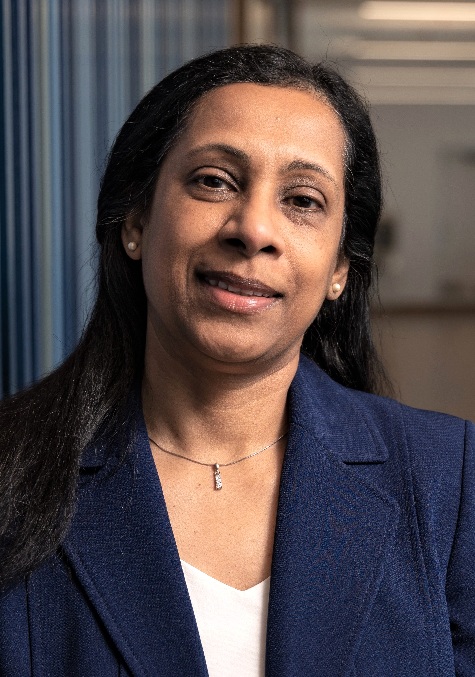
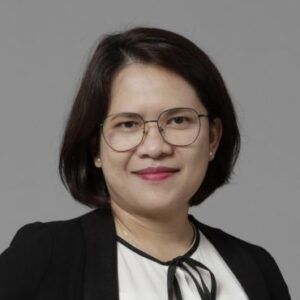
Fazleena Badurdeen
Fazleena Badurdeen is the Earl Parker Robinson Chair Professor in the Department of Mechanical and Aerospace Engineering and serves as the Director of the Institute for Sustainable Manufacturing (ISM) at the University of Kentucky (UK). She also directs the Manufacturing Systems Graduate Certificate program and previously led the transformation of the Manufacturing Systems Engineering MS degree into the first fully online degree program in UK’s College of Engineering, serving as its director for more than a decade.
Show More
Prof. Badurdeen’s research builds on more than two decades of work in circular economy and sustainable manufacturing, advancing metrics- and model-based approaches for circular and sustainable product design, smart and digital manufacturing, and the modeling and analysis of sustainable manufacturing systems and supply chains. More recently, she has extended this work to additive manufacturing (AM), exploring how smart and digital technologies to AM can support more sustainable manufacturing. Her research has also supported industrial practice, standards development, and manufacturing engineering workforce development. All this work has been supported by externally funded research totaling nearly $18 million from federal agencies as well as from industry.
A recognized scholar, Prof. Badurdeen has authored over 150 peer-reviewed publications, including journal articles, book chapters, and edited special issues. She currently serves as an editor for Resources, Conservation and Recycling and holds editorial board positions with several leading journals in manufacturing and industrial engineering.
Prof. Badurdeen is a Fellow of the Institute of Industrial and Systems Engineers (IISE), a former IISE Technical Vice President, and the founding Chair of the International Forum on Sustainable Manufacturing. During her IISE service, she also chaired the Governing Board for the Industrial Engineering Body of Knowledge (BoK). Prof. Badurdeen received her PhD in Integrated (Industrial and Mechanical) Engineering and MS in Industrial Engineering, both from Ohio University, USA and holds an MBA from the Postgraduate Institute of Management, Sri Lanka. She received her BS in Engineering from the University of Peradeniya, Sri Lanka.
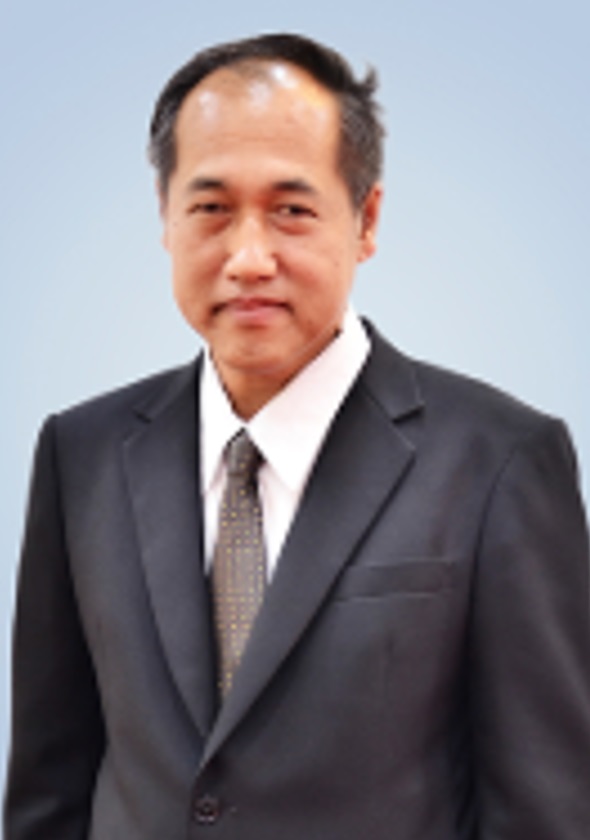
Suthep Butdee
Assoc. Prof. Dr. Suthep Butdee is currently working at Rajamangala University of Technology Krungthep (RMUTK), Bangkok, Thailand, as an Expert in Automation and Robotics. He received a Ph.D. in Manufacturing Engineering from Queensland University of Technology in Brisbane, Australia, in 1998. His thesis is titled “Expert System Model Development for a Rotational Machined Part.” His experience has focused on the domains of Production Engineering and Robotic Engineering for 35 years in both academic and industrial contexts. His previous work involved collaboration with several overseas universities on research and postgraduate fellowships in France, Japan, Germany, Australia, India, China, and so on.
Show More
He has held senior university academic management positions, such as Vice President for Research and Development for 4 years, Director of the Franco-Thai Institute for Automation for 10 years, University Council Member, including Vice Chair, for 20 years, and Chairperson of a University Academic Council for 20 years. He taught undergraduate and postgraduate students and served as principal supervisor for around 50 projects in Production and Robotic Engineering. He received grants at both national and international levels in academic research and industrial consultancy for 15 years. He established and founded the key university research center named the Integrated Manufacturing System (IMS) Center to transfer knowledge and academic expertise to more than 500 SMEs in Thailand under the major project named “Manufacturing Development to Improve Competitiveness Program (MDICP),” authorized by the Ministry of Industry and linked with five major organizations to strengthen various industrial sectors, including productivity improvement, ISO standardization, Technology Roadmapping and Transfer, Financial and Accounting Management, and Marketing Management. He was the key person who served as the project manager of the MDICP for 20 years. He has published 65 Scopus-indexed papers, as well as a few book chapters. He has been a board member of the GCMM Congress, which was established 35 years ago. He established the Asian Journal of Production and Manufacturing Engineering, which is now the ASEP Journal. He has served as an Editorial Member for Springer books in Mechanical Engineering, Production Engineering, and Mechatronic Engineering. He has been invited several times to be a Keynote Speaker at international conferences on Engineering, Manufacturing, and Management. He has contributed to well-known international journals.
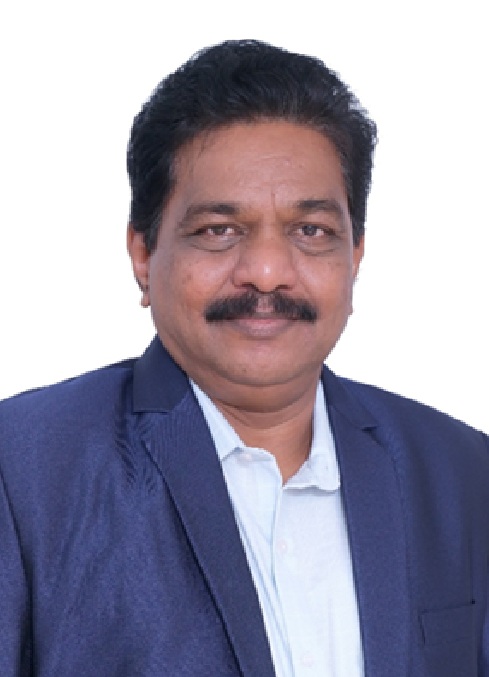
M. Anthony Xavior
Dr. M. Anthony Xavior is a Professor in the Manufacturing Department, School of Mechanical Engineering at Vellore Institute of Technology, Vellore, India. He has around 27 years of teaching and research experience at VIT, Vellore. His research specialisation includes machinability studies, development and property evaluation of metal matrix composites and metal additive manufacturing, development of novel materials for hydrogen storage and hydrogen embrittlement studies.
Show More
He has received research grants from various boards of the Indian Government. He has also received funding from the British Council under the “Going Global Partnerships: Industry-Academia Grants” scheme, as well as support for an SPARC–UKIERI international project (Co-PI) in collaboration with Coventry University, UK. He has published around 240 papers in various journals and conference proceedings on materials and manufacturing. He has two Indian patents granted on the development of new materials and processing to his credit. He has produced fifteen Doctoral Degrees and one Master’s by Research in the field of metal matrix composites and machinability studies. He consistently appears in the Top 2% of Scientists in the world, as per the study conducted by Stanford University & Elsevier.
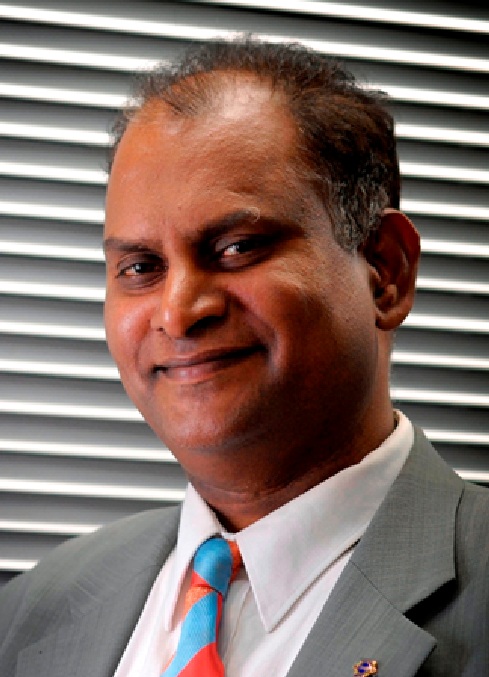
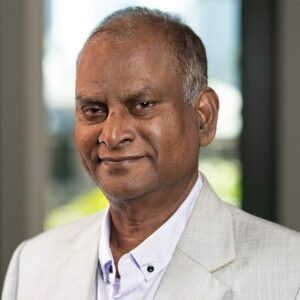
Prasad Yarlagadda
Prof. Prasad Yarlagadda worked in industry and university over 40 years in number of countries. He is currently Dean, Faculty of Science, Engineering and Digital Technologies at University of Southern Queensland. He received more than $18M funding for his research from large number of bio-manufacturing industry in Australia, India, Korea and Singapore. He successfully graduated 64 PhD students during his academic career. He has various national and international collaborators, and he published more than 700 papers with number of key note speeches delivered across the world. In 2020 he was elected as Principal Fellow, Higher Education Academy, UK and also recipient Researcher of the Year 2020 by International Association of Advanced Materials, Sweden. He had number of distinguished appointments in various universities in India, China and Australia.
Show More
In 2012 he received a Prestigious Great Honour Award for his outstanding and lifetime contribution to the discipline of manufacturing in world Arena from Materials Division of Poland. He is fellow of many professional organisations such as engineers Australia, the institution of engineers (India), World academy of manufacturing and materials engineering, International Association of Advanced Materials American society of mechanical engineers, Society of manufacturing engineers are among others In 2016 Professor Yarlagadda was awarded Order of Australia Medal and included in Queens Birthday Honours list in recognition of his outstanding service to Engineering Profession and Indian Community in Queensland, Australia. His current work on Advanced Manufacturing of Anti-Pathogenic surfaces (for various Bio-medical applications) in partnership with many hospitals in Australia and India and Indian Institute of Science and Science and Engineering Research Council, Department of Science & Technology, India brought global attention. Ministry of Science and Technology, Government of India appointed him as VAJRA professor to advise Indian Government on Medical Devices Manufacturing (as part of MAKE INDIA project). He is one of six people appointed for this role from all over the world and only one from Australia. He also had honorary roles in AP Government, Queensland government and Brisbane City Council.
He also held number of roles such as: President, Federation of Indian Communities of Queensland, President, GOPIO Queensland, President, The Australia India Society, Chairman, Society of Manufacturing Engineers, USA, Chairman, GOPIO International Science & and Technology Council, NY, USA and number of other professional organisations across the globe.
Committee
Conference Chair:
Conference Co-Chairs:
| Prof. Prasad KDV Yarlagadda University of Southern Queensland (Australia) |
 |
| Prof. M. Anthony Xavior Vellore Institute of Technology (India) |
 |
| Prof. Suthep Butdee Rajamangala University of Technology Krungthep (Thailand) |
 |
Patrons:
GCMM Board:
President – Dr. G. Viswanathan, Chancellor, VIT, India
Secretary – Prof. Prasad KDV Yarlagadda, USQ, Australia
Members:
| Australia | Prof. Ayo Olofinjana, University of Sunshine Coast |
| Brazil | Dr. C. Brito, President, CRES |
| Canada | Dr. H. El Maraghy, University of Windsor |
| China | Prof. Yongming Zhu, Zhengzhou University Prof. David Wang, IAASET Dr. Shouqin Zhou, CIMC Co. LTD |
| Egypt | Dr. H. Elwany, Alexandria University |
| France | Prof. S. Tichkiewitch, Domaine University Prof. K. H. Adjallah, ENIM, Loraine University |
| Germany | Prof. Dr. Ing. P. Gümpel, FachochschuleKonstanz |
| Hungary | Prof. Géza Husi, Dean, University of Debrecen |
| India | Prof. Krishnanand Lanka, NIT Dr. Ravichandran, CEO, Lucas TVS L. Gopalakrishnan, PSG & Sons Charities |
| South Korea | Prof. Y. T. Im, KAIST Prof. Ill-Soo Kim, Mokpo National University |
| Malaysia | Prof. Walter CK Wong, Berjaya University |
| Mexico | Prof. C. Acosta, Universidaddelas America-Pueba |
| Netherlands | Dr. E. De Bruijn, University of Twente |
| New Zealand | Dr. Sarat Singamneni, AUT Prof. Mark P. Taylor, University of Auckland |
| Poland | Prof.Wójs Arkadiusz, Wroclaw University of Science and Technology Prof. Leszek A Dobrzanski, ASKLEPIOS, Gliwice. Prof. Anna Burduk, Wroclaw University of Science and Technology Prof. Korneliusz Pylak, Lublin University of Technology Prof. Katarzyna Antosz, Rzeszow University of Technology Prof. Justyna Trojanowska, Poznan University of Technology |
| Portugal | Prof. Jose Machado, University of Minho, Portugal |
| Singapore | Prof. Seeram Ramakrishna, NUS, Singapore |
| Slovenia | Prof. Janez Kopac, University of Ljubijana |
| Spain | Dr. E. Tovar, Universidad Politechnicade Madrid |
| Switzerland | Dr. T. Schelker, Swiss College of Agriculture |
| Thailand | Dr. Pichai Janmanee Rajamangala University of Technology Krungthep Dr. Suthep Butdee, Rajamangala University of Technology Krungthep |
| UK | Dr. Batako D. L. Andre, Liverpool John Moores University |
| USA | Prof. K. S. Taraman, Lawrence Technological University Prof. Lal Tummala, San Diego State University |
Program Committee:
A. Baskar, Loyola-ICAM College of Engineering and Technology (India)
Akano Victoria, Crawford University (Nigeria)
Antosz Katarzyna, Rzeszow University of Technology (Poland)
Avram Camelia, Technical University of Cluj Napoca (Romania)
Bacciarelli-Ulacha Anna, Lodz University of Technology (Poland)
Badurdeen Fazleena, University of Kentucky (USA)
Banaszak Zbigniew, Koszalin University of Technology (Poland)
Batako Andre D.L., Liverpool John Moores University (UK)
Becker Torsten, SRH University of Applied Sciences (Germany)
Benis Arriel, Duke University (USA)
Berselli Giovanni, University of Genova (Italy)
Będza Tomasz, Wrocław University of Science and Technology (Poland)
Bień Jan, Wrocław University of Science and Technology (Poland)
Bocewicz Grzegorz, Koszalin University of Technology (Poland)
Borkowski Przemysław, Wrocław University of Science and Technology (Poland)
Borucka Anna, Military University of Technology (Poland)
Bożejko Wojciech, Wrocław University of Science and Technology (Poland)
Burduk Anna, Wrocław University of Science and Technology (Poland)
Butdee Suthep, Rajamangala University of Technology Krungthep (Thailand)
Chaszczewska-Markowska Monika, Ludwik Hirszfeld Institute of Immunology and Experimental Therapy (Poland)
Chodakowska Ewa, Bialystok University of Technology (Poland)
Chudjuarjeen Saichol, Rajamangala University of Technology Krungthep (Thailand)
Cyplik Piotr, Poznań University of Technology (Poland)
Davidrajuh Reggie, University of Stavanger (Norway)
Dąbrowska Magdalena, Collegium Witelona (Poland)
Dereń Aldona Małgorzata, Wrocław University of Science and Technology (Poland)
Diakun Jacek, Poznań University of Technology (Poland)
Dostatni Ewa, Poznań University of Technology (Poland)
Dulina Luboslav, University of Zilina (Slovakia)
Ezani Eliani, Universiti Putra Malaysia (Malaysia)
Florin Leon, Gheorghe Asachi Technical University of Iasi (Romania)
Frankiewicz Mariusz, Wrocław University of Science and Technology (Poland)
Gamage Peshala, Florida Institute of Technology (USA)
Gawlik Józef, Cracow University of Technology (Poland)
Gnatowski Andrzej, Wrocław University of Science and Technology (Poland)
Gola Arkadiusz, Lublin University of Technology (Poland)
Golińska-Dawson Paulina, Poznań University of Technology (Poland)
Górny Adam, Poznan University of Technology (Poland)
Górski Filip, Poznań University of Technology (Poland)
Grabowik Cezary, Silesian University of Technology (Poland)
Grabowska Katarzyna, Lodz University of Technology (Poland)
Grabowska Sandra, Silesian University of Technology (Poland)
Grudowski Piotr, Gdańsk University of Technology (Poland)
Grznár Patrik, University of Žilina (Slovakia)
Grzybowska Katarzyna, Poznań University of Technology (Poland)
Grzybowska-Brzezińska Mariola, University of Warmia and Mazury (Poland)
Guettala Walid, Eötvös Loránd University (Hungary)
Gupta Kapil, University of Johannesburg (South Africa)
Gwiazda Aleksander, Silesian University of Technology (Poland)
H. Nassar Ayman, German University in Cairo (Egypt)
Halicka Katarzyna, Bialystok University of Technology (Poland)
Helman Joanna, Wrocław University of Science and Technology (Poland)
Herbuś Krzysztof, Silesian University of Technology (Poland)
Hoła Jerzy, Wrocław University of Science and Technology (Poland)
Hrehová Stella, Technical University of Košice (Slovakia)
Husár Jozef, Technical University of Košice (Slovakia)
Hys Katarzyna, Opole University of Technology (Poland)
Idzikowski Radosław, Wrocław University of Science and Technology (Poland)
Infante Moro Alfonso, University of Huelva (Spain)
Ivanov Vitalii, Sumy State University (Ukraine)
Jardzioch Andrzej, West Pomeranian University of Technology in Szczecin (Poland)
Jaroslaw Chrobot, Wrocław University of Science and Technology (Poland)
Jasińska-Biliczak Anna, Wrocław University of Science and Technology (Poland)
Jasiulewicz-Kaczmarek Małgorzata, Poznań University of Technology (Poland)
Jawahir I.S., University of Kentucky (USA)
Jurdziak Leszek, Wrocław University of Science and Technology (Poland)
Kaczmarska Bożena, Kielce University of Technology (Poland)
Kalinowski Krzysztof, Silesian University of Technology (Poland)
Kamińska Anna Maria, Wrocław University of Science and Technology (Poland)
Karanam Malleswari, GITAM School of Technology (India)
Kasprzyk Rafał, Military University of Technology (Poland)
Kaščák Jakub, Technical University of Košice (Slovakia)
Kentel Maciej, eMKaMED Centru Medyczne (Poland)
Kirianów-Błażej Agata Agata, Wrocław University of Science and Technology (Poland)
Klačková Ivana, University of Žilina (Slovakia)
Klaus-Rosińska Agata, Wrocław University of Science and Technology (Poland)
Kłos Sławomir, University of Zielona Góra (Poland)
Knapčíková Lucia, Technical University of Kosice (Slovakia)
Knapiński Marcin, Czestochowa University of Technology (Poland)
Kochańska Joanna, Wrocław University of Science and Technology (Poland)
Kocira Sławomir, University of Life Sciences in Lublin (Poland)
Kohen-Vacs Dan, Holon Institute of Technology (Israel)
Kopczewski Marian, General Tadeusz Kościuszko Military University Land Force (Poland)
Kosieradzka Anna, Warszaw University of Technology (Poland)
Kozłowski Edward, Lublin University of Technology (Poland)
Krajewska-Spiewak Joanna, Cracow University of Technology (Poland)
Krenczyk Damian, Silesian University of Technology (Poland)
Krot Kamil, Wrocław University of Science and Technology (Poland)
Kruszyński Michał, International University of Logistics and Transport in Wroclaw (Poland)
Kumar J P Ajith, Amal Jyothi College of Engineering (Autonomous) (India)
Kumar H G Prashantha, Dayananda Sagar University (India)
Kuric Ivan, University of Zilina (Slovakia)
Kurzynowski Tomasz, Wrocław University of Science and Technology (Poland)
Kusyi Yaroslav, Lviv Polytechnic National University (Ukraine)
Li Nan, Beijing University of Technology (China)
Li Peng, Beijing University of Technology (China)
Liaposhchenko Oleksandr, Sumy State University (Ukraine)
Liu Xiucheng, Beijing University of Technology (China)
Lukoszová Xenie, Technical University of Ostrava – VŠB (Czech Republic)
Ładysz Rafał, George Mason University (USA)
Łapczyńska Dagmara, Wrocław University of Science and Technology (Poland)
Machado José, University of Minho (Portugal)
Matthias Rehm, Technical University of Chemnitz (Germany)
Medyński Daniel, Witelon Collegium State University (Poland)
Michael Anthony Xavior, Vellore Institute of Technology (India)
Mikołajewski Dariusz, Kazimierz Wielki University (Poland)
Mishra Rakesh, University of Huddersfield (UK)
Molasy Mateusz, Wrocław University of Science and Technology (Poland)
Náprstková Nataša, University of Jan Evangelista in Ústí nad Labem (Czech Republic)
Nielsen Izabela Ewa, Aalborg University (Denmark)
Nyamah Edmond Yeboah, University of Cape Coast (Ghana)
Olender-Skóra Małgorzata, Silesian University of Technology (Poland)
Omelianenko Myroslav, Technical University of Košice (Slovakia)
Onieva Enrique, University of Deusto (Spain)
Otto Tauno, Tallinn University of Technology (Estonia)
Pakšiová Renáta, University of Economics in Bratislava (Slovakia)
Paliszkiewicz Joanna, Warsow University of Life Sciences (Poland)
Patalas-Maliszewska Justyna, University of Zielona Góra (Poland)
Pawlak Andrzej, Wrocław University of Science and Technology (Poland)
Pawlewski Pawel, Poznań University of Technology (Poland)
Pazhani Ashwath, University of Cumbria (UK)
Perera Terrence, Sheffield University Management School (UK)
Perera H. Niles, University of Moratuwa (Sri Lanka)
Perez Perales David, Polytechnic University of Valencia (Spain)
Piasecka Izabela , Bydgoszcz University of Science and Technology (Poland)
Piechowski Mariusz, WSB Merito University in Poznan (Poland)
Pihnastyi Oleh, National Technical University «Kharkiv Polytechnic Institute» (Ukraine)
Plinta Dariusz, University of Bielsko-Biala (Poland)
Ratnayake R.M. Chandima, University of Stavanger (Norway)
Rehm Mathias, Technical University of Chemnitz (Germany)
Reier Forradellas Ricardo, Catholic University of Ávila (Spain)
Ren James, Liverpool John Moores University (UK)
Rojek Izabela, Kazimierz Wielki University (Poland)
Rosienkiewicz Maria, Wrocław University of Science and Technology (Poland)
Rudy Jarosław, Wrocław University of Science and Technology (Poland)
Rusińska Małgorzata, Wrocław University of Science and Technology (Poland)
Rutkowska Małgorzata, Wrocław University of Science and Technology (Poland)
Rzepka Agnieszka, Lublin University of Technology (Poland)
S Margret Anouncia, Vellore Institute of Technology (India)
Ságová Zuzana, University of Žilina (Slovakia)
Saniuk Sebastian, University of Zielona Góra (Poland)
Singh Amarjit, National Institute of Technology Hamirpur HP,India (India)
Sioma Andrzej, University of Science and Technology (Poland)
Skoczypiec Sebastian, Cracow University of Technology (Poland)
Skołud Bożena, Silesian University of Technology (Poland)
Skonieczny Jan, Wrocław University of Science and Technology (Poland)
Sławińska Małgorzata, Poznan University of Technology (Poland)
Smolina Iryna, Wrocław University of Science and Technology (Poland)
Srikhumsuk Phatchani, Rajamangala University of Technology Krungthep (Thailand)
Stadnicka Dorota, Rzeszów University of Technology (Poland)
Stec Sławomir, Rzeszów University of Technology (Poland)
Suieubayeva Saltanat, East Kazakhstan Technical University (Kazakhstan)
Szaroleta Michał, Łukasiewicz – Poznan Institute of Technology (Poland)
Szymańska Elżbieta, Warsaw University of Life Sciences (Poland)
Szymczyk-Ziółkowska Patrycja, Wrocław University of Science and Technology (Poland)
Tabiyeva Yerkezhan, East Kazakhstan Technical University (Kazakhstan)
Tarapata Zbigniew, Military University of Technology (Poland)
Thibbotuwawa Amila, University of Moratuwa (Sri Lanka)
Tocha Rui, CENTIMFE (Portugal)
Tomé Eduardo, Universidade Lusofona de Lisboa (Portugal)
Tomporowski Andrzej , Bydgoszcz University of Science and Technology (Poland)
Trojanowska Justyna, Poznań University of Technology (Poland)
Trojanowski Piotr, West Pomeranian University of Technology in Szczecin (Poland)
Tubis Agnieszka, Wrocław University of Science and Technology (Poland)
Ubysz Andrzej, Wrocław University of Science and Technology (Poland)
Udoh Salem, Tomas Bata University (Czech Republic)
Uysal Alper, Yildiz Technical University (Türkiye)
van Kollenburg Ton, Avans University of Applied Science (The Netherlands)
Varela Leonilde, University of Minho (Portugal)
Virkkunen Riikka, VTT Technical Research Centre of Finland (Finland)
Wang Li, Queen Mary University of London (UK)
Waszkowski Robert, Military University of Technology (Poland)
Werbinska-Wojciechowska Sylwia, Wrocław University of Science and Technology (Poland)
Więcek Dariusz, University of Bielsko-Biala (Poland)
Więcek Dorota, University of Bielsko-Biala (Poland)
Winokur Michael, Holon Institute of Technology (Israel)
Wiśniewski Zbigniew, Lodz University of Technology (Poland)
Wodecki Mieczysław, Wrocław University of Science and Technology (Poland)
Wojciechowicz Bartosz, Altium International (Poland)
Wojciechowski Szymon, Poznań University of Technology (Poland)
Woźna Anna, Wrocław University of Science and Technology (Poland)
Wyczółkowski Ryszard, Silesian University of Technology (Poland)
Yarlagadda Prasad KDV, University of Southern Queensland (Australia)
Yeboah Nyamah Evelyn, University of Cape Coast (Ghana)
Zhou Jiehan, Shandong University of Science and Technology (China)
Żuchowski Ireneusz, International Academy of Applied Sciences in Lomza (Poland)
Organizing Committee:
Bogdanowicz Dawid, Wrocław University of Science and Technology (Poland)
Burduk Anna, Wrocław University of Science and Technology (Poland)
Chrobot Jarosław, Wrocław University of Science and Technology (Poland)
Chromiec Andrzej, Foundation for the Support of Innovation, Research and Development (Poland)
Dybała Bogdan, Wrocław University of Science and Technology (Poland)
Helman Joanna, Wrocław University of Science and Technology (Poland)
Idzikowski Radosław, Wrocław University of Science and Technology (Poland)
Jędruszek Małgorzata, KN Qubit (Poland)
Krot Kamil, Wrocław University of Science and Technology (Poland)
Mazgajczyk Elilia, Wrocław University of Science and Technology (Poland)
Molasy Mateusz, Wrocław University of Science and Technology (Poland)
Musiał Kamil, Wrocław University of Science and Technology (Poland)
Olesińska Julia, Wrocław University of Science and Technology (Poland)
Pempera Konrad, KN Qubit (Poland)
Poskart Bartosz, Wrocław University of Science and Technology (Poland)
Rosienkiewicz Maria, Wrocław University of Science and Technology (Poland)
Tarasiuk Marcin, Foundation for the Support of Innovation, Research and Development (Poland)
Woźna Anna, Wrocław University of Science and Technology (Poland)
Information
Important dates
| 20 May 2026 – extended to 20 July 2026 | Special Sessions proposal deadline |
| 20 July 2026 – extended to 10 August 2026 | Abstracts submission |
| 15 August 2026 | Notification of abstract acceptance |
| 10 September 2026 | Full paper submission |
| 10 September 2026 | Early bird registration |
| 5 November 2026 | Notification of paper acceptance* |
| 10 November 2026 | Normal registration |
| 2-4 December 2026 | Conference presentation |
*) Publication date: second or third quarter, 2027
Registration fees
Early registration fee**
- Include lunches and dinners
Normal registration fee
- Include lunches and dinners
Online participation
- xxxxxxxxxxxxxxxxxxxxxxxxxxxxxxx
Additional paper
- Presentation of the second paper
Accompanying Person
- Include lunches and dinners
Fee transfer details
Conference fee should be transferred on the bank account
|
for participants from Poland: Wrocław University of Science and Technology account no. (PLN): 37 1090 2402 0000 0006 1000 0434
|
for foreign participants: Wrocław University of Science and Technology account no. (EUR): 91 1090 2402 0000 0006 1000 0626 |
Bank name: SANTANDER BANK POLSKA SA
Title of payment transfer: GCMM2026, paper_id, full name of the participant
A copy of the transfer operation or bank statement should be sent by e-mail to GCMM organizing committee representative: malgorzata.stachera@pwr.edu.pl
Special sessions
Application for GCMM 2026 Special Sessions
Dear Researchers,
The Global Congress on Manufacturing and Management (GCMM 2026) invites you to submit innovative, high-quality, and potentially interdisciplinary proposals for Special Sessions. The subject of the Special Session should relate to one of the following areas:
▪ Production Engineering and Management
▪ Advanced Machining
▪ Advanced Materials and Forming
▪ Intelligent and Autonomous Robotics
▪ Quality Management Systems in Medical Device Manufacturing
▪ Optimization, Control, and Quantum Computing
▪ Biomedical Engineering and Medical Device Production Engineering
Special Session proposals should be prepared by at least three organizers, preferably from different institutions and countries. Each proposal will be evaluated by the Special Session Chairs based on the relevance of the topic and its potential to attract participants and generate original results.
Proposals to organize a Special Session should include the following information:
- Title of the Special Session
- Members of the Special Session Organizing Committee (minimum 3, maximum 5 people) – name, affiliation, mailing address, e-mail address, ORCID ID, and h-index (Web of Science)
- Bibliographic data of the top 3 papers from each session organizer, reflecting their main area of interest
- A brief description of the specific scientific scope of the Special Session
- A list of topics of interest (maximum 10 topics)
- A proposal for the Special Session Program Committee (minimum 10 people) – name and affiliation
Proposals and inquiries should be sent by e-mail by April 20, 2026, to Anna Burduk, anna.burduk@pwr.edu.pl
SS1 Resource Protection and Organizational Resilience in Human-Centered Manufacturing during the Transition from Industry 4.0 to Industry 5.0
The ongoing transition from Industry 4.0 to Industry 5.0 is reshaping manufacturing systems towards more human-centered, sustainable, and resilient paradigms. The increasing integration of cyber-physical systems, the Industrial Internet of Things (IIoT), artificial intelligence, and digital twins leads to the emergence of highly interconnected and adaptive socio-technical systems. While these developments enhance efficiency and flexibility, they simultaneously introduce new vulnerabilities related to resource security, system reliability, and organizational resilience.
In this context, traditional approaches to safety and risk management—primarily reactive and technology-oriented—are no longer sufficient. There is a growing need for holistic frameworks that integrate resource protection, human factors, predictive analytics, and resilience engineering into manufacturing systems design and management.
This special session aims to provide a platform for researchers and practitioners to present cutting-edge research, innovative methodologies, and practical implementations addressing the challenges of resource protection and organizational resilience in intelligent, human-centered manufacturing environments.
We invite original contributions, including theoretical, methodological, and empirical studies, addressing (but not limited to) the following topics:
- Organizational resilience models in Industry 4.0–5.0 environments
- Resource protection in cyber-physical and IIoT-enabled production systems
- Ergonomics in cyber-physical performance (CPS)
- Predictive maintenance and predictive quality for resilient operations
- Human-centered manufacturing and human–machine collaboration
- Competence management, knowledge systems (e.g., TWI, OPL), and organizational learning
- Lean, TPM, and standardization as enablers of operational resilience
- Integration of IT/OT systems (CMMS, MES, ERP) for resilience enhancementESG, sustainability, and social responsibility in resilient manufacturing systems
Special Session Organizing Committee:
Małgorzata Jasiulewicz-Kaczmarek – Poznan University of Technology, Poland, malgorzata.jasiulewicz-kaczmarek@put.poznan.pl
Małgorzata Sławińska – Poznan University of Technology, Poland, malgorzata.slwinska@put.poznan.pl
Adam Górny – Poznan University of Technology, Poland, adam.gorny@put.poznan.pl
Mariusz Piechowski – WSB Merito University in Poznan, Poland, mariusz.piechowski@poznan.merito.pl
Ryszard Wyczółkowski – Silesian University of Technology, Poland, ryszard.wyczolkowski@polsl.pl
SS2 Intelligent Solutions for Industry 4.0/5.0/6.0
In the fourth industrial revolution, Industry 4.0 brought intelligent technologies such as artificial intelligence (AI), cloud connectivity and real-time data analytics to the world of industry and manufacturing. Central to the Industrial Revolution 4.0 is the pursuit of efficiency, productivity and cyber-physical systems.
Where the fourth industrial revolution put smart technologies at the center of manufacturing and supply chains, Industry 5.0 is about extending this digital transformation through more meaningful and effective collaboration between people and machines and systems in their digital ecosystem. The partnership of people and intelligent machines combines the accuracy and speed of industrial automation with the creativity, innovation and critical thinking skills of a human being.
Industry 6.0, also called the sixth industrial revolution, is a concept that assumes the deep integration of advanced technologies such as artificial intelligence, robotics, and nanotechnology with human creativity and ethics. It aims to create sustainable, flexible, and efficient production systems that take into account social and environmental needs.
Companies pay more and more attention to the implementation of intelligent methods in their production and business processes The area of application of intelligent solutions mainly covers such areas as intelligent products and intelligent systems. Smart products are equipped with sensors, data analysis software and data transmission systems that enable monitoring of operation and response in the event of identifying symptoms of malfunction of the product. Intelligent systems also have the ability to interact with the environment, resulting in the possibility of adaptation and reconfiguration in a dynamically changing environment. These elements are important components of Industry 4.0/5.0/6.0 concept.
The purpose of the special session is to present significant achievements in this area in a wide range of their applications.
List of topics of interest:
- Monitoring Systems and Sensors, Industrial Internet of Things
- Databases & knowledge management
- Modelling & Simulation & Digital Twins
- AI-based industrial data analysis and decision support systems in Industry 4.0/5.0/6.0
- Intelligent Supply Chain Management
- Intelligent optimization of production processes & ERP
- 3D printing/Additive Manufacturing, Reverse engineering
- Green Production, Sustainability, Eco-design & LCA
- Innovative thinking & Intelligent design, Intelligent materials
- Human-centric industry
Special Session Organizing Committee:
Izabela Rojek, Kazimierz Wielki University in Bydgoszcz, Poland, izabela.rojek@ukw.edu.pl
Ewa Dostatni, Poznan University of Technology, Poland, ewa.dostatni@put.poznan.pl
Dariusz Mikołajewski, Kazimierz Wielki University in Bydgoszcz, Poland, dariusz.mikolajewski@ukw.edu.pl
Nataša Náprstková, Faculty of Mechanical Engineering, University of Jan Evangelista in Ústí nad Labem, Czech Republic, natasa.naprstkova@ujep.cz
SS3 Quantum-Enhanced Optimization and Intelligent Control
Session scope covers the applications of quantum algorithms to traditional optimization and control problems. We invite contributions investigating, among other topics, pure-quantum and quantum-classical approaches, performance benchmarking, and the practical feasibility of utilizing current quantum hardware to complement classical optimization and intelligent systems.
List of topics of interest:
- Quantum Optimization in Operational Research,
- Quantum-Enhanced Scheduling and Transport Problems,
- Hybrid Approaches in Quantum Machine Learning,
- Classification with Quantum Neural Networks,
- Compilation Techniques for Gate-Based Superconducting Quantum Computers,
- Quantum Key Distribution and Secure Industrial Communication,
- Generation of True Quantum Random Numbers,
- Quantum Simulation of Materials and Chemical Systems for Manufacturing,
- Quantum and Hybrid High-Performance Computing.
Special Session Organizing Committee:
Wojciech Bożejko, Wroclaw University of Science and Technology, Poland, wojciech.bozejko@pwr.edu.pl
Andrzej Gnatowski, Wroclaw University of Science and Technology, Poland, andrzej.gnatowski@pwr.edu.pl
Radosław Idzikowski, Wroclaw University of Science and Technology, Poland, radoslaw.idzikowski@pwr.edu.pl
Mateusz Kucharski, Wroclaw University of Science and Technology, Poland, mateusz.kucharski@pwr.edu.pl
Jarosław Rudy, Wroclaw University of Science and Technology, Poland, jaroslaw.rudy@pwr.edu.pl
SS4 Digital Twins and Simulation for Human-Centered Smart Manufacturing and Industry 5.0
The transition toward Smart Manufacturing and Industry 5.0 is characterized by increasing system complexity, deeper integration of cyber-physical production systems, and a renewed emphasis on the central role of humans and their entrepreneurship drive within advanced industrial environments. Addressing these challenges requires rigorous engineering approaches that combine technological innovation with human-centered design principles.
Digital Twins and advanced simulation environments, grounded in Systems Engineering methodologies and enhanced by artificial intelligence and real-time data integration, are emerging as key enablers of next-generation manufacturing systems. Beyond their established roles in monitoring, control, and optimization, these technologies provide interactive and adaptive environments for system analysis, decision-making, and workforce development.
This Special Session focuses on the integration of Systems Engineering, Digital Twins, and simulation-based approaches for human-centered smart manufacturing. It aims to explore how these technologies support the design, operation, and evolution of complex production systems, enable eUective human–machine collaboration, and facilitate skill acquisition and continuous learning. Particular attention is given to their role in advancing Industry 5.0, including sustainable and resilient production, as well as the digital transformation of small and medium-sized enterprises (SMEs) that will give a viable eco-system for entrepreneurship as the central driver of sustainable economy
List of topics of interest:
- Digital Twin architectures and applications in smart manufacturing
- Simulation environments for analysis and design of complex production systems
- Human–machine collaboration and human-in-the-loop manufacturing systems
- AI-enhanced Digital Twins and data-driven decision support
- Systems Engineering methods for cyber-physical production systems
- Simulation-based training and workforce development in Industry 5.0
- Real-time data integration (IoT) in Digital Twin environments
- Sustainable and circular manufacturing enabled by Digital Twins and simulation
- Digital transformation of SMEs through advanced manufacturing technologies
- Innovation ecosystems and open innovation in smart manufacturing
Special Session Organizing Committee:
Michael Winokur, Holon Institute of Technology, Israel, michaelw@hit.ac.il
Dan Kohen-Vacs, Holon Institute of Technology, Israel, mrkohen@hit.ac.il
Joanna Helman, Wroclaw University of Science and Technology, Poland, joanna.helman@pwr.edu.pl
Maria Rosienkiewicz, Wroclaw University of Science and Technology, Poland, maria.rosienkiewicz@pwr.edu.pl
SS5 Designing Resilient Production and Supply Chain Systems under Constraints
Production and supply chain systems are increasingly required to operate under severe constraints, including limited resources, capacity shortages, demand volatility, labor scarcity, transportation bottlenecks, regulatory pressure, environmental requirements, and geopolitical disruption. These constraints expose the limitations of traditional efficiency-oriented manufacturing and logistics models, which often assume stable demand, reliable supply, and predictable operating conditions.
The proposed special session will focus on the design, modeling, analysis, and implementation of resilient production and supply chain systems that can anticipate, absorb, recover from, and adapt to disruptions. The session will provide a forum for researchers and practitioners working on decision-support models, optimization methods, digital technologies, empirical studies, and case-based evidence relevant to resilience under practical constraints.
The scientific scope includes strategic network design, tactical planning, operational scheduling, inventory control, sourcing decisions, reverse logistics, circular supply chains, smart manufacturing, digital twins, artificial intelligence, human-centered operations, and data-driven risk management. Particular attention will be given to the integration of resilience and sustainability, because modern production and supply chain systems must remain reliable while also reducing environmental impact and improving social responsibility.
The session directly aligns with GCMM 2026 themes in Production Engineering and Management, Optimization, Control, and Quantum Computing, Intelligent and Autonomous Robotics, and Biomedical Engineering and Medical Device Production Engineering where constrained production and supply systems are increasingly relevant. The expected outcome is a collection of original contributions that strengthen theoretical understanding and provide practical decision-support approaches for designing robust, adaptive, and sustainable systems.
List of topics of interest:
- Supply chain resilience modeling, measurement, and performance assessment
- Production planning and scheduling under uncertainty, disruptions, and capacity constraints
- Risk-aware inventory management, sourcing, and supplier selection
- Optimization, simulation, and decision-support models for constrained production systems
- Digital twins, artificial intelligence, and machine learning for resilient operations
- Resilient circular economy systems, reverse logistics, and closed-loop supply chains
- Sustainable manufacturing and logistics under resource and environmental constraints
- Human-centered resilience, workforce flexibility, and behavioral operations management
- Autonomous robotics, UAVs, and smart logistics technologies for resilient material flows
- Industrial case studies on resilient production, logistics, healthcare, and agri-food supply chains
Special Session Organizing Committee:
H. Niles Perera, University of Moratuwa, Sri Lanka, hniles@uom.lk
Amila Thibbotuwawa, University of Moratuwa, Sri Lanka, amilat@uom.lk
Izabela Ewa Nielsen, Aalborg University, Denmark, izabela@mp.aau.dk
Peshala Gamage, Florida Institute of Technology, USA, pthibbotuwawagam@fit.edu
SS6 Circular Textile and Apparel Manufacturing: Intelligent Systems for Product Development, Design, and Sustainable Management under EPR Frameworks
This Special Session focuses on the integration of circular economy principles into textile and apparel manufacturing through intelligent systems, advanced materials, and sustainable production management.
The textile sector faces critical challenges related to resource efficiency, waste generation, and limited recyclability, necessitating a transition from linear to circular, data-driven production systems. This session focuses on engineering and management approaches that support this transformation, with particular emphasis on strengthening Extended Producer Responsibility (EPR).
The session will cover interdisciplinary topics combining:
- textile engineering and material systems,
- AI and machine learning in manufacturing,
- circular product development and design-for-recyclability,
- lifecycle assessment (LCA) and decision-support tools,
- optimization of circular production and manufacturing systems,
- strengthening Extended Producer Responsibility (EPR),
- applications of Artificial Intelligence in Circular Economy Processes.
The session aligns with key European and global priorities in the circular economy and sustainable textiles, positioning itself at the intersection of production and manufacturing engineering, advanced materials, and intelligent systems.
List of topics of interest:
- Circular product development and design-for-recyclability strategies in textile and apparel systems,
- AI and machine learning applications in textile manufacturing systems,
- Digital twins and lifecycle modelling for fashion development and design, supporting circular production and manufacturing,
- Textile recyclability, material engineering and performance optimization,
- Life Cycle Assessment (LCA) and decision-support tools in textile systems,
- Sustainable materials and eco-design for circular production and manufacturing,
- Circular manufacturing systems and production process optimization,
- Textile waste management, sorting and recycling technologies,
- Smart textiles and functional materials in circular economy systems,
- Integration of a Digital Product Passport (DPP) into textile value chains to enhance Extended Producer Responsibility (EPR) and support circular production and manufacturing management in line with cradle-to-cradle principles.
- Entrepreneurial initiatives related to the circular economy and the textile sector
Special Session Organizing Committee:
Chandima Ratnayake, University of Stavanger (UiS), Norway, chandima.ratnayake@uis.no
Katarzyna Grabowska, Lodz University of Technology (TUL), Poland, katarzyna.grabowska@p.lodz.pl
Ricardo Reier Forradellas, Catholic University of Ávila (UCAV), Spain, ricardo.reier@ucavila.es
Anna Bacciarelli-Ulacha, Lodz University of Technology (TUL), Poland, anna.bacciarelli-ulacha@p.lodz.pl (coordination, communication and organisational support)
SS7 AI–Human Interaction in Decision-Making
This Special Session on AI–Human Interaction in Decision-Making falls under the Intelligent Systems and Autonomous Robotics track. It welcomes contributions on recent advances in integrating artificial intelligence, machine learning, and adaptive control into robotic and decision-making systems operating in complex, real-world environments.
A core objective is to explore how AI-driven perception, decision-making, and actuation can enable meaningful human–robot collaboration, particularly in decision-making scenarios. By highlighting works on AI–human interaction, the session aims to expand collective knowledge and foster connections among researchers and potential collaborators.
The Committee will focus on human-centered, explainable, and trustworthy robotic systems, while addressing challenges in robustness, scalability, and generalization for unstructured, data-scarce environments.
The session encourages interdisciplinary contributions bridging robotics with computer vision, natural language processing, human–AI interaction, especially in decision-making, and cyber-physical systems, promoting innovative solutions for next-generation intelligent automation across domains such as manufacturing, healthcare, assistive technologies, and smart environments.
List of topics of interest:
- Machine Learning and Deep Learning for Autonomous Robotics
- Human-Robot Interaction and Collaboration (HRI)
- Explainable and Trustworthy AI in Robotics
- Computer Vision for Robotic Perception
- Reinforcement Learning for Control and Decision-Making
- Multi-Agent and Swarm Robotics Systems
- Autonomous Navigation and Path Planning
- Bias Mitigation in AI-assisted Human Decisions
- Ethical, Safety, and Regulatory Challenges in Autonomous Systems
Special Session Organizing Committee:
Salem Udoh, Tomas Bata University in Zlin, Czech Republic, udoh@utb.cz
Victoria Akano, Crawford University, Nigeria, bimpsyade@gmail.com
SS8 Digital Models Application in Production Engineering
Digital models serve as the backbone of modern production engineering by creating a high-fidelity virtual representation of physical manufacturing systems. These models allow engineers to simulate and optimize production workflows in a risk-free environment before any physical changes are implemented on the factory floor. By integrating real-time data production managers can monitor equipment health and predict maintenance needs to prevent costly downtime. Engineers utilize these models to perform bottleneck analysis, ensuring that the movement of materials and the cycle times of machines are perfectly synchronized for maximum efficiency. Furthermore, digital models facilitate the rapid prototyping of assembly line layouts, reducing the lead time required to launch new products into the market. They also play a crucial role in worker safety and ergonomics by simulating human-machine interactions to identify potential physical hazards. Ultimately, the application of digital models in production engineering transforms traditional manufacturing into an agile, data-driven ecosystem capable of continuous self-improvement.
Digital Twins and Digital Shadows are foundational elements of modern Production Engineering digital models, acting as the bridge between physical shop floors and virtual optimization. A Digital Twin provides a comprehensive, two-way synchronized model that allows engineers to simulate complex production scenarios and predict maintenance needs before a single machine fails. In contrast, a Digital Shadow focuses on the one-way flow of real-time data from the physical system to the virtual one, providing a high-fidelity “snapshot” of current operational states. Together, these technologies enable closed-loop manufacturing, where real-time sensor data informs immediate adjustments to prevent defects and reduce waste. By leveraging these models, production engineers can virtually commission new assembly lines, significantly reducing the time and cost associated with physical prototyping. Furthermore, the integration of these digital representations fosters agile production, allowing factories to pivot quickly to new product designs with minimal downtime. Ultimately, the importance of these tools lies in their ability to transform raw industrial data into actionable insights, driving the continuous improvement cycle essential for Industry 4.0 competitiveness.
This special session aims to present and discuss the latest achievements in production engineering through the use of modelling of elements and processes, their simulation, automation solutions, robotization of processes and their applications or digitalization tools. In addition, the special session will be an excellent opportunity to exchange experiences in this area.
List of topics of interest:
- Digital twin and shadow
- Organization, control, and management of manufacturing processes
- Modelling and simulation of elements and processes
- Work safety
- Scheduling of production processes
- Logistics
- Additive manufacturing
- Product lifecycle management
- Efficiency and effectiveness of production processes
- Process automation and automation solutions
- Robotization of processes and their applications and human-robot cooperation
Special Session Organizing Committee:
Aleksander Gwiazda, Silesian University of Technology, Poland, aleksander.gwiazda@polsl.pl
Cezary Grabowik, Silesian University of Technology, Poland, cezary.grabowik@polsl.pl
Krzysztof Herbuś, Silesian University of Technology, Poland, krzysztof.herbus@polsl.pl
Małgorzata Olender-Skóra, Silesian University of Technology, Poland, malgorzata.olender-skora@polsl.pl
Krzysztof Kalinowski, Silesian University of Technology, Poland, krzysztof.kalinowski@polsl.pl
SS9 Challenges in supply chain management in manufacturing companies
Supply chain management in today’s world is a complex process, faced with several challenges stemming from a dynamically evolving economic, technological, and social environment. Manufacturing companies must continually adapt their logistics operations to evolving market demands, customer expectations, and the global economic environment.
The most important challenges in supply chain management concern the planning, organization, and control of the flow of raw materials, materials, information, and finished products between individual supply chain participants. Significant challenges include supply disruptions, rising transportation and warehousing costs, market globalization, volatile demand, raw material shortages, and the need to implement modern digital technologies. Cybersecurity, sustainable development, and the resilience of supply chains to economic and geopolitical crises are also increasingly important.
Effectively addressing these challenges enables manufacturing companies to increase operational efficiency, mitigate risk, improve customer service, and strengthen their market competitiveness.
List of topics of interest:
- The Impact of Global Disruptions on Supply Chain Operations
- Problems Related to Raw Material and Component Shortages
- Rising Transportation and Storage Costs in Supply Chains
- Demand Variability as a Challenge for Manufacturing Companies
- Cybersecurity in Digital Supply Chains
- Implementing Industry 4.0 Technologies in Supply Chain Management
- Risk Management in Manufacturing Companies
- Sustainable Development and Ecological Supply Chains
- The Impact of Globalization on Supply Chain Organization
- Building Supply Chain Resilience to Crisis Situations
Special Session Organizing Committee:
Elżbieta Szymańska, Warsaw University of Life Sciences – SGGW, elzbieta_szymanska@sggw.edu.pl
Mariola Grzybowska-Brzezińska, University of Warmia and Mazury, Poland, margrzyb@uwm.edu.pl
Michał Kruszyński, International University of Logistics and Transport in Wroclaw, Poland, mkruszynski@mail.mwsl.eu
Xenie Lukoszová, Technical University of Ostrava – VŠB, Czech Republic, xenie.lukoszova@vsb.cz
Sławomir Stec, Rzeszów University of Technology, Poland, s.stec@prz.edu.pl
Ireneusz Żuchowski, International Academy of Applied Sciences in Lomza, Poland, ireneusz.zuchowski@mans.edu.pl
SS10 Methods and Tools Supporting Manufacturing Systems Efficiency
The monitoring, optimization, and sensing in the manufacturing process play a crucial role in ensuring agility within the manufacturing system, process robustness, efficiency improvement, and cost reduction. Currently, in response to the demands of advanced production systems and the rapid development of information systems, computer technology, tools based on artificial intelligence, etc. continuous research into advanced industrial technologies are essential.
Computer modelling and simulation are key tools for understanding and optimizing complex product designs and production processes at various levels, enabling faster and more efficient implementation while saving costs, time and reducing waste. Access to current scientific information on methodologies, tools, and applications provides valuable insights into how new technologies impact key engineering activities, such as product design, manufacturing technologies, and system improvements in terms of performance, cost, quality, safety, and ergonomics.
List of topics of interest:
- Advanced Methods and Tools in Management of Production
- Smart Methods and Tools in Designing of Manufacturing Systems
- Advanced Production Planning and Scheduling
- Modelling and simulation of production processes
- Optimization of the use of resources in manufacturing enterprises
- Systems Supporting Decision-Making in Resource Management
- Improving productivity, cost, quality, safety and ergonomics
- Applications of Virtual, Augmented and Mixed Reality
- Data Management and Visualization
- Usability Evaluation and Ergonomics
Special Session Organizing Committee:
Luboslav Dulina, University of Zilina, Slovakia, luboslav.dulina@fstroj.uniza.sk
Damian Krenczyk, Silesia University of Technology, Poland, damian.krenczyk@polsl.pl
Ivan Kuric, University of Zilina, Slovakia, ivan.kuric@fstroj.uniza.sk
Dariusz Plinta, University of Bielsko-Biala, Poland, dplinta@ubb.edu.pl
Dariusz Więcek, University of Bielsko-Biala, Poland, wiecekd@ubb.edu.pl
Dorota Więcek, University of Bielsko-Biala, Poland, dwiecek@ubb.edu.pl
SS11 Circularity in Advanced Production and Logistics Systems: Materials, Methods and Digital Transformation
The Special Session focuses on current scientific and technological advances in circularity-oriented production and logistics systems within the context of Industry 5.0 and sustainable manufacturing. The session aims to bring together researchers, engineers, and industry experts working on innovative approaches that support resource efficiency, waste minimization, process flexibility, and lifecycle-oriented manufacturing strategies in modern industrial environments. The scientific scope covers advanced manufacturing methods, circular design principles, sustainable and smart logistics, additive manufacturing technologies, hybrid and reconfigurable production systems, as well as the utilization of recycled and bio-based materials in industrial applications. Particular emphasis is placed on digital transformation technologies enabling intelligent and sustainable production operations, including artificial intelligence, digital twins, industrial internet of things (IIoT), simulation tools, data-driven optimization, and cross-reality technologies (AR/VR/MR/XR). The session also addresses quality assurance, traceability, predictive maintenance, flexible automation, autonomous systems, and human–machine collaboration in circular production environments. Contributions presenting experimental research, industrial case studies, innovative methodologies, and interdisciplinary solutions supporting resilient and sustainable manufacturing ecosystems are especially welcome.
List of topics of interest:
- Circular Design and Closed-Loop Production Systems
- Sustainable and Smart Logistics in Circular Manufacturing
- Recycled and Bio-Based Materials for Advanced Manufacturing
- Additive Manufacturing Strategies Supporting Circular Economy Goals
- Hybrid, Reconfigurable and Flexible Manufacturing Systems
- Process Efficiency and Optimization in High-Variability Production Environments
- Quality Assurance, Traceability and Lifecycle Tracking in Circular Production
- Digital Transformation and AI for Sustainable Manufacturing Operations
- Flexible Automation, Autonomous Systems and Human–Machine Collaboration
- Digital Twins, Simulation and Cross-Reality Technologies in Circular Production Systems
Special Session Organizing Committee:
Jozef Husár, Technical University of Košice, Slovakia, jozef.husar@tuke.sk
Lucia Knapčíková, Technical University of Košice, Slovakia, lucia.knapcikova@tuke.sk
Jakub Kaščák, Technical University of Košice, Slovakia, jakub.kascak@tuke.sk
Katarzyna Antosz, Rzeszow University of Technology, Poland, katarzyna.antosz@prz.edu.pl
Piotr Trojanowski, West Pomeranian University of Technology in Szczecin, Poland, piotr.trojanowski@zut.edu.pl
SS12 Cognitive Cyber-Physical Systems for Intelligent Manufacturing and Production Efficiency
The rapid evolution of cognitive technologies is reshaping manufacturing by enabling intelligent, adaptive, and human-centric production systems. This special session focuses on the integration of Artificial Intelligence, Cognitive Cyber-Physical Systems, Digital Twins, Internet of Things (IoT), and Extended Reality (XR) to improve production efficiency, operational resilience, and decision-making across the manufacturing lifecycle.
The session welcomes original contributions addressing novel algorithms, architectures, methodologies, and industrial applications that enable autonomous monitoring, predictive analytics, intelligent process optimization, and data-driven decision support. Topics of interest include, but are not limited to, deep learning for manufacturing, automated quality inspection, reinforcement learning for production planning and resource allocation, real-time anomaly detection, cognitive Digital Twins, and interoperable industrial data infrastructures.
Particular emphasis is placed on human-centric manufacturing, where XR technologies, collaborative intelligence, and cognitive assistance enhance workforce training, remote operation and maintenance, operator support, and workplace safety. The session aims to bring together researchers and industrial practitioners to discuss recent advances, emerging challenges, and practical implementations that contribute to the next generation of smart, resilient, and sustainable manufacturing systems.
List of topics of interest:
- Cyber-Physical Systems: Theory, Design and Industrial Implementation.
- Deep learning architectures for predictive maintenance and quality control in smart factories.
- Cognitive Digital Twins: Integrating IoT data streams with AI for real-time decision-making.
- Extended Reality (XR) and Augmented Reality (AR) interfaces for shop-floor operators and remote maintenance.
- Advanced data visualization techniques for complex industrial IoT (IIoT) ecosystems.
- Edge and cloud computing frameworks for real-time cognitive cyber-physical systems.
- Leveraging XR and digital twins for immersive workforce training and operational safety.
- Data-driven production efficiency: Optimizing throughput using cognitive technologies.
- Intelligent resource allocation and scheduling using deep reinforcement learning.
- Case studies and industrial applications of cognitive cyber-physical systems in Industry 4.0/5.0.
Special Session Organizing Committee:
Justyna Trojanowska, Poznan University of Technology, Poland, justyna.trojanowska@put.poznan.pl
Myroslav Omelianenko,Technical University of Košice, Slovakia, myroslav.omelianenko@tuke.sk
Stella Hrehová, Technical University of Košice, Slovakia, stella.hrehova@tuke.sk
Michał Szaroleta, Łukasiewicz – Poznan Institute of Technology, Poland, michal.szaroleta@pit.lukasiewicz.gov.pl
José Machado, University of Minho, Portugal, jmachado@dem.uminho.pt
Malleswari Karanam, GITAM School of Technology, India, mkaranam2@gitam.edu
SS13 Integration of Management Systems: Quality, Environment, and Occupational Health and Safety
This special session aims to discuss practical strategies and recent scientific evidence on the integration of Quality Management Systems (QMS), Environmental Management Systems (EMS), and Occupational Health and Safety Management Systems (OHSMS) into an Integrated Management System (IMS). Topics will include governance, process mapping, risk and opportunity assessment, performance indicators, legal compliance, organizational culture, and digital transformation applied to integrated management.
The session seeks to bring together contributions that highlight the role of system integration in continuous improvement, reduction of non-quality costs, strengthening of environmental commitment, and prevention of workplace accidents. Priority will be given to case studies and applied experiences from both the public and private sectors, fostering dialogue among researchers, practitioners, and certification bodies.
List of topics of interest:
- Benefits and challenges of integrating ISO 9001, ISO 14001, and ISO 45001 — synergies, conflicts, and an implementation roadmap.
- Governance and leadership — roles and responsibilities; integrated policy and objectives aligned with business strategy.
- Process mapping and risk-based approach — integration of quality, environmental, and OHS risk analysis.
- Indicators and management dashboards (KPI/KRI) — design, target-setting, visualization, and data-driven decision-making.
- Legal compliance and stakeholder requirements — integrated legal requirements matrix and combined audits.
- Quality tools applied to the IMS — PDCA, 5S, FMEA, Root Cause Analysis (RCA), and Statistical Process Control (SPC).
- Organizational culture and skills development — awareness-raising, training, and engagement for sustainable change.
- IMS digitalization — integrated management software, document management, workflows, digital evidence, and audit trails.
- Procurement and supply chain — ESG and quality criteria, supplier qualification and monitoring.
- Investigation of incidents, nonconformities, and integrated corrective actions.
- Combined certification audits and long-term IMS maintenance.
Special Session Organizing Committee:
Delfina Gabriela Ramos, University of Trás-os-Montes and Alto Douro, Portugal, dgramos@utad.pt
Luís Pinto Ferreira, Technical University of Porto, Portugal. lpf@isep.ipp.pt
João Paulo Moura, University of Trás-os-Montes e Alto Douro (UTAD), Portugal, jpmoura@utad.pt
Submission
Publication
All papers sent for the conference will be accepted through a review process. Articles should be 12 to 15 pages long. An electronic version (PDF format) of the full paper should be submitted by the paper submission deadline to the conference website. The conference proceedings will be published by:
- Springer as Lecture Notes in Mechanical Engineering series (indexed in WoS, SCOPUS and SCImago); [PL: 20 points]
- Springer as Lecture Notes in Networks and Systems (LNNS) series (indexed in WoS, SCOPUS and SCImago); [PL: 20 points]
The Program Committee will select papers, whose authors will be invited to submit extended contributions (as a subject to further review) to the selected special issues of journals
- ACS: Applied Computer Science [Indexed in: BazTech, Central & Eastern European Academic Source (CEEAS), CNKI Scholar (China National Knowledge Infrastucture), DOAJ (Directory of Open Access Journals), EBSCO, ERIH PLUS, Index Copernicus, J-Gate, Google Scholar, Scope Database, Scopus, Sherpa Romeo, TEMA Technik und Management] [PL: 70 points]
- Crystals [5yIF: 2.40; PL: 70 points]
- EAI: Endorsed Transactions on Digital Transformation of Industrial Processes [Indexed in: CrossRef, Semantic Scholar, The Lens]
- Intelligent Manufacturing Systems: Advanced Materials, Machinability, and Smart Robotics [Quartile Ranking JCR – Q2 (Metallurgy and Metallurgical Engineering | Physics, Applied | Physics, Condensed Matter), IF:3,2]
- J.UCS: Journal of Universal Computer Science [5yIF:0,91; PL: 40 points]
- Journal of Machine Engineering [PL: 70 points]
- Lean Manufacturing and Sustainable Performance in Digital Era: Challenges and Opportunities [Quartile Ranking JCR – Q2 (Environmental Studies | Environmental Sciences), IF: 3,3]
- LogForum, Scientific Journal of Logistics [PL: 200 points]
- Materials [5yIF: 3,20; PL: 140 points]
- Modern Technologies and Manufacturing Systems
- Scientific Journal of the WULS, Economics and Organization of Logistics [Indexed in: AGRO, BazEkon, EBSCO, Online Library CEEOL, Index Copernicus] [PL: 40 points]
- TIAM: Technologia i Automatyzacja Montażu (Assembly Techniques and Technologies) [Indexed in: DOAJ, Google Scholar, Index Copernicus Internationa, PBN, BazTech] [PL: 40 points]
Paper submission
Authors are invited to submit manuscripts written in English. All submissions will be refereed by experts in the field based on originality, significance, quality and clarity. All contributions must be original, should not have been published elsewhere and should not be intended to be published elsewhere during the review period. Accepted papers will be included in GCMM Proceedings that will be published by Springer Verlag.
Papers must be prepared using Springer guidelines. For preparing respective papers, authors must read Proceedings Guidelines for Authors and prepare papers according Springer Word Template or Springer LaTex Template.
Acceptance is based on condition that at least one author will register and present the paper at the conference.
Instructions for Authors
Please download and follow these essential guidelines when preparing your paper:
- All papers must comply with the Springer guidelines (paper template). The submission should correspond to the Conference Topics.
- The minimum length of the paper is 10 (ten) pages, and the maximum is 15 (fifteen) pages, including all figures, tables, and references.
- Use Title Case for the paper title, i.e., capitalizing all main words. Do not include academic titles or descriptions of academic positions in the paper.
- The abstract should summarize the content (goal, scientific novelty, practical value, used methods, main results, etc.) of the paper in short form, i.e., 150-250 words. The abstract should objectively represent the article: it must not contain results that are not presented and substantiated in the main text and should not exaggerate the main conclusions.
- Keywords cannot duplicate the words and(or) phrases from the paper’s title.
- The paper should be prepared using the following structure: 1 Introduction, 2 Literature Review, 3 Research Methodology, 4 Results and Discussion, 5 Conclusions, 6 Acknowledgment (if necessary).
The 1 Introduction should briefly place the study in a broad context and highlight its importance. It should define the aim of the work and its significance, including specific hypotheses being tested. Keep the introduction comprehensible to scientists working outside the topic of the paper.
In the 2 Literature Review, the current state of the research field should be reviewed carefully, and key publications should be cited. Please highlight controversial and diverging hypotheses when necessary. Finally, briefly highlight the main conclusions of the review. The Editorial Board encourages you to cite recent up-to-date literature indexed by databases Scopus and Web of Science Core Collection (peer-reviewed journals with Q1/Q2 quartiles are preferable). The recommended References List is 15-25 literature resources. Please avoid non-English references and group references. Each reference should be critically discussed separately.
In the 3 Research Methodology, methods should be described sufficiently to allow others to replicate and build on published results. New methods and protocols should be described in detail, while well-established methods can be briefly described and appropriately cited. Give the name and version of any software used and clarify whether the computer code is available.
The 4 Results and Discussion provide a concise and precise description of the experimental results, their interpretation, and the experimental conclusions that can be drawn. Authors should discuss the results and how they can be interpreted from previous studies and the working hypotheses. The findings and their implications should be discussed in the broadest context possible, and the limitations of the work should be highlighted. Future research directions may also be mentioned.
The 5 Conclusions summarize the major results obtained by adding qualitative and quantitative data. Also, plans for further research may be added.
In the 6 Acknowledgment (if necessary), add information regarding funding or any other support that helped to obtain the research results.
- Self-citation is allowed, but no more than 15% of sources are in the reference list (in the case of citing previous studies on the same topic). This issue will be strictly monitored.
- The title, abstract, authors, and affiliations, as well as the order of authors in the submission system, should be the same as in your paper.
- Plagiarism is strictly monitored and will be checked by iThenticate. Any paper having more than 20% plagiarism will not be accepted for publication.
- All papers will be checked for the English language.
- It is preferable to use ORCID for all co-authors (please visit https://orcid.org for registration).
- Leave only one email address (Corresponding Author) in the paper. All communication will be realized with the Corresponding Author only. The Corresponding Author should specify the corporative email only.
- For references, Springer prefers the use of square brackets and consecutive numbers. The following bibliography provides a sample reference list with entries for journal articles [1], an LNME chapter [2], a book [3], and proceedings without editors [4]. It is desirable to include the DOI for each reference.
References:
Author, F.: Article title. Journal 2(5), 99–110 (2022). DOI: …
Author, F., Author, S.: Title of a proceedings paper. In: Editor, F., Editor, S. (eds.) CONFERENCE 2022, LNME, vol. 9999, pp. 1–13. Springer, Heidelberg (2022). DOI: …
Author, F., Author, S., Author, T.: Book title. 2nd edn. Publisher, Location (2022). DOI: …
Author, F.: Contribution title. In: 9th International Proceedings on Proceedings, pp. 1–2. Publisher, Location (2022). DOI: …
Any references to sources (books, papers, sites, etc.) by states sponsors of terrorism, i.e., according to the European Parliament and other International Institutions and their representatives, must be avoided! Papers submitted by their representatives will also be rejected immediately.
PLEASE NOTE One person can submit several papers but the number of co-authors is limited to up to five persons.
Submissions should be made through the Easychair submission system.
Venue
Conference place
The meeting will take place at the WUST’s campus:
H14 building
Address:
Wybrzeże Wyspiańskiego 40
Link to google maps:
https://goo.gl/maps/w1Uv424a98f7pEKf8
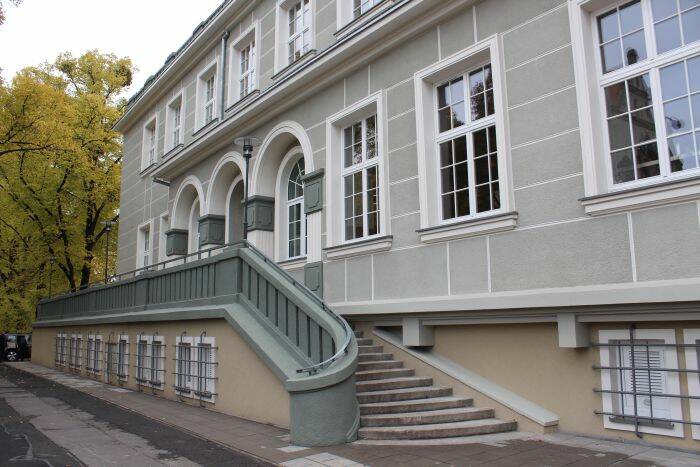
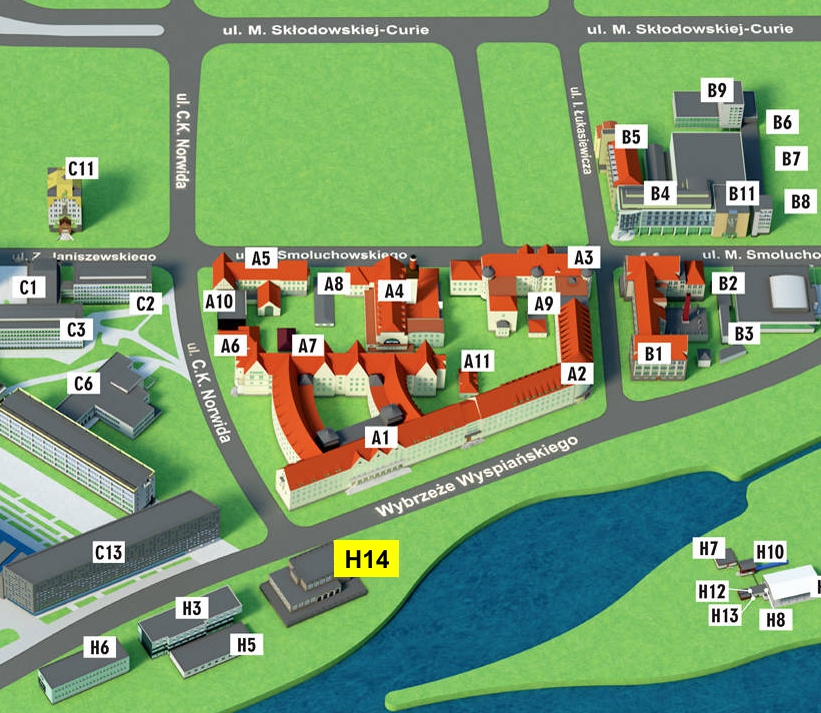
GCMM 2026 will take place in Wroclaw, the chief city in south-western Poland. Over the centuries the city has been either part of Poland, Bohemia, Austria, Prussia or Germany. Wroclaw is an excellent example of a multicultural metropolis situated at the interface of ethnically diverse areas. The architecture of Wroclaw reflects its history, which dates back almost one thousand years.
Copyright © City and Tourism Promotion Office
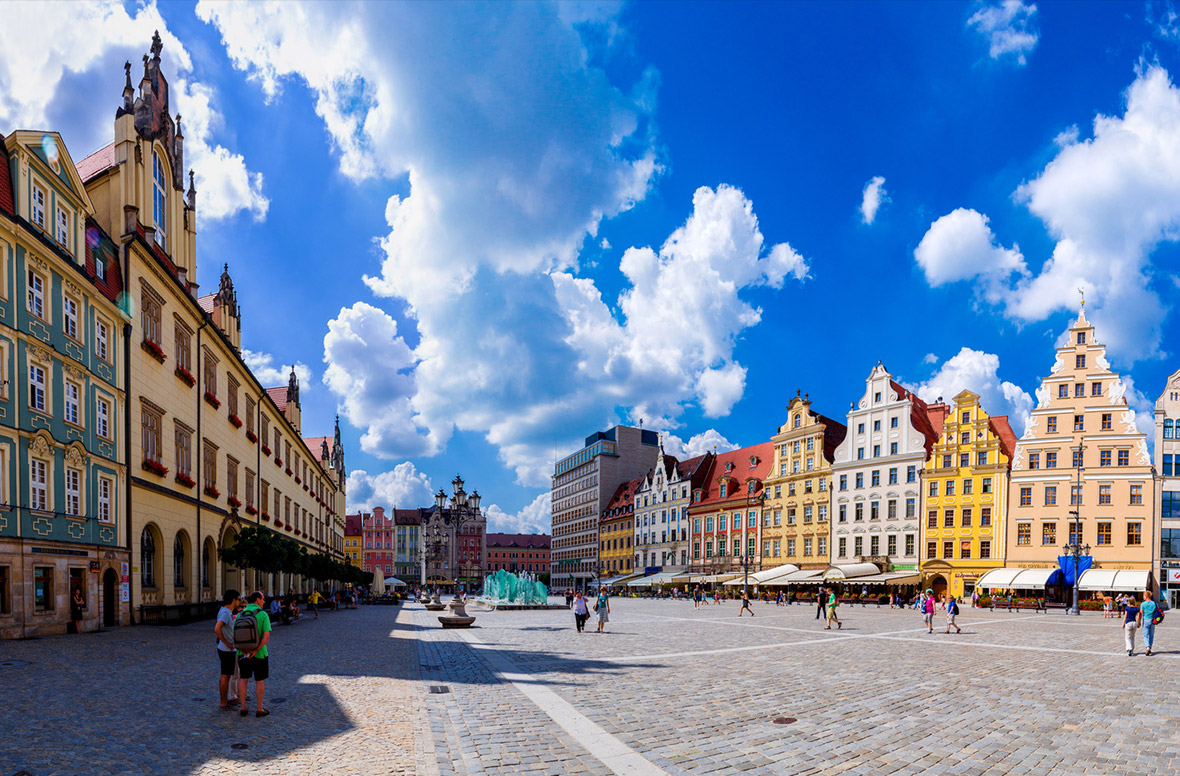
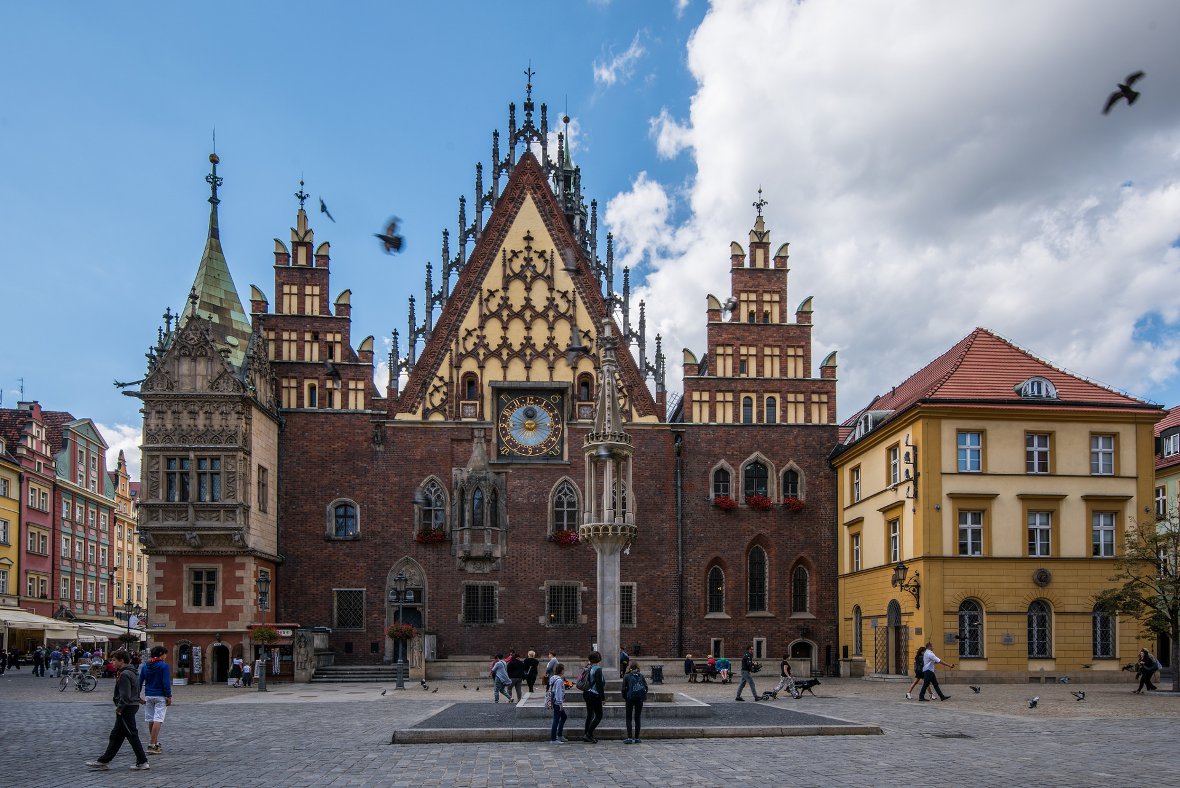
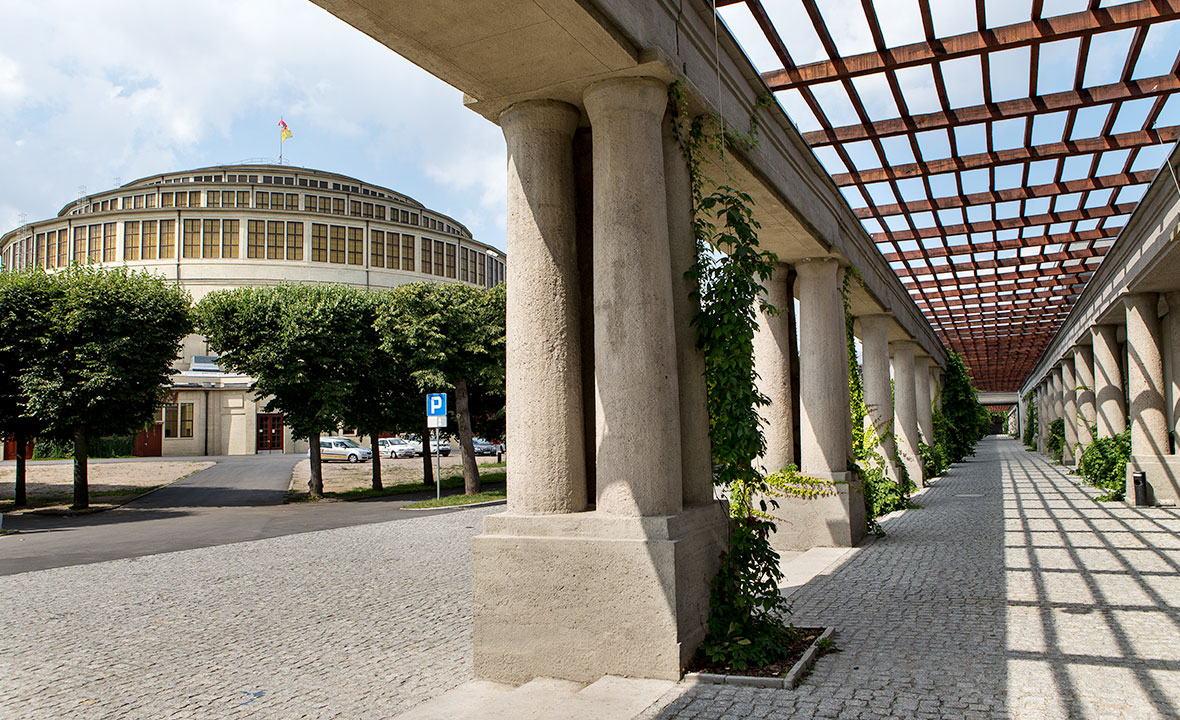
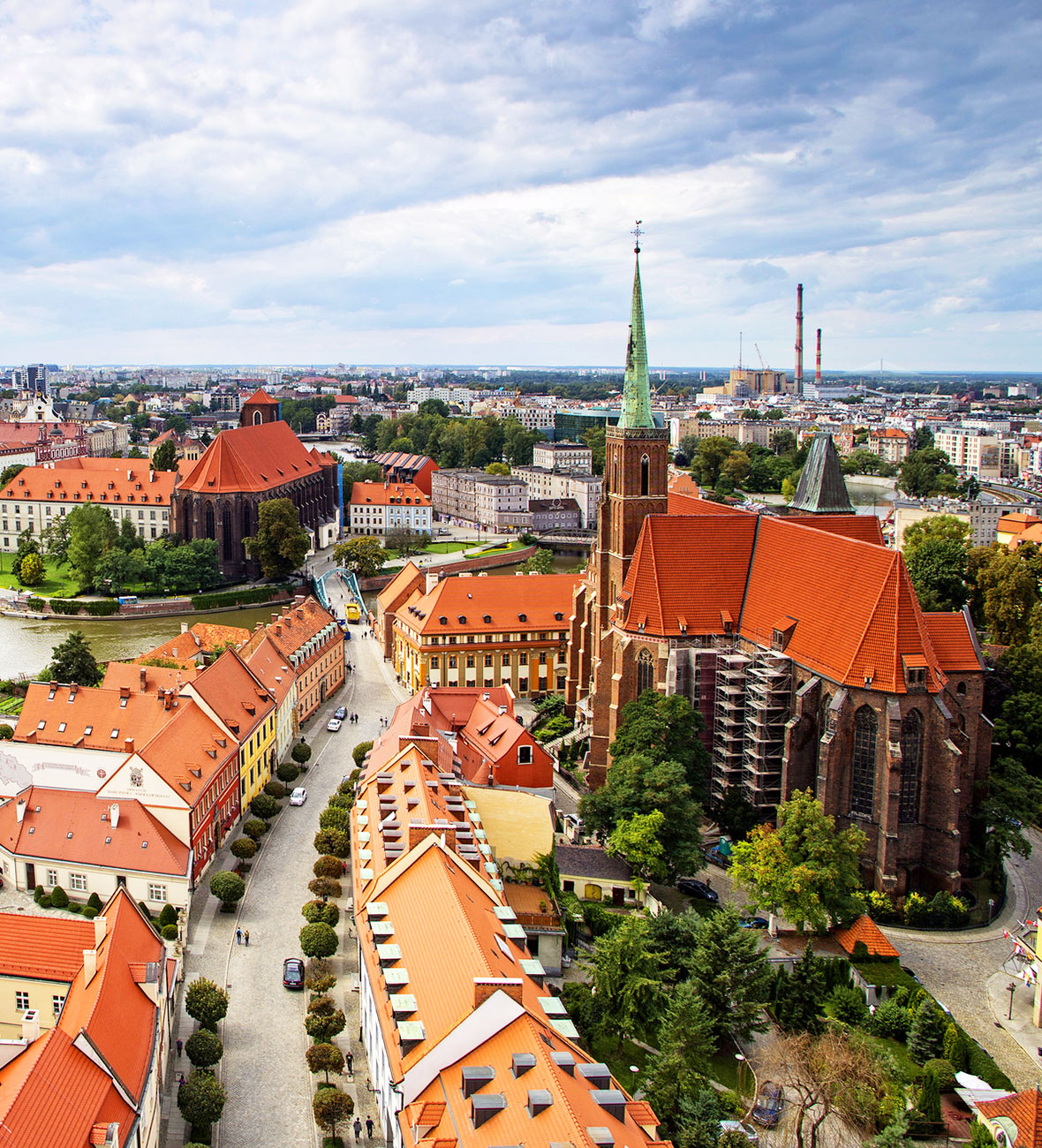
Click here to read about tourist attractions in Wroclaw
Wrocław – European Capital of Culture 2016
As the largest city of Lower Silesia, Wrocław is the region’s administrative, economic and cultural capital. Standing on twelve islands on the Oder river and its four tributaries, it is often called the Venice of the North. It is a city with a thousand years of history: it passed from the hands of Czech kings under the rule of Austria, and then Prussia; finally, after the Second World War, it became a part of Poland. Today, the heritage of the past intertwines with modernity. As a city open to new ideas and challenges, Wrocław has gained a reputation as dynamic and innovative. It boasts a broad cultural and entertainment offer, and it is considered to be one of the most business-friendly cities to boot. Its atmosphere attracts people from all around the country and the world. It is the visitors who say Wrocław is the place that must be seen first and foremost when coming to Poland.
Welcome to Wrocław!
Tourist attractions
Wrocław’s monuments can be admired in a variety of ways: while taking an individual walk or a guided tour, or while travelling by an electric car, a bike, a historic tram or a cab. It is also worthwhile seeing the city view from a boat on the Oder river or from one of the observation towers. Apart from exploring Wrocław’s history, we invite you to search for its smallest citizens.
Dwarfs are Wrocław’s pride: the citizens have already set up more than 300 dwarf statuettes. They have blended in so well with the cityscape that few question their origin or number anymore. Additional information on dwarfs can be found on the dedicated website: www.krasnale.pl/en/.
Ostrów Tumski (Cathedral Island) is the oldest part of Wrocław. Surrounded by the waters of the Oder, the former stronghold which gave rise to the city comprises beautiful architectural monuments. The most impressive among them are the Gothic St. John the Baptist’s Cathedral and the Holy Cross Church, restored after the Second World War. The Archdiocesan Museum’s collection includes the Book of Henryków, a unique document containing the first sentence written in Polish, inscribed in 2015 on the UNESCO Memory of the World Register.
The Market Square is the heart of Wrocław, an entertainment centre full of pubs and restaurants, throbbing with life at any time of day or night. The centre of the square is built up with the Cloth Hall and the City Hall, a unique monument of Gothic and Renaissance architecture, one of a kind in the whole of Europe. It also houses the oldest restaurant in Europe: Piwnica Świdnicka. In front of the City Hall’s eastern façade, there is a pillory, and in front of the western one, a monument to the playwright Aleksander Fredro brought from Lviv. The market square is bordered by historic burgher tenements, banks and department stores.
Ulica Świdnicka is the most renowned promenade and historic shopping street in Wrocław. It is here that we can see the neo-classical building of the Wrocław Opera House and the nearby Wrocław Puppet Theatre. The street also leads to popular entertainment spots: the Musical Theatre ‘Capitol’, Dolnośląskie Centrum Filmowe (Lower Silesia Film Centre) and pubs along ulica Bogusławskiego. Another attraction worth seeing is an unconventional Monument of an Anonymous Passerby at the intersection of ulica Świdnicka and ulica Piłsudskiego. It is also here that the showpiece of the European Capital of Culture Wrocław 2016 has been located: the information point Barbara at the site of a former famous Wrocław bar.
The National Forum of Music is the newest concert hall building in the very centre of Wrocław. The modern building, with acoustics equal to the best in the world, houses four halls: the main hall with a capacity of 1800 and three chamber halls with 800 places in total. NFM has already had many renowned artists among its guests, and concert tickets sell out very quickly.
The Royal Palace with a baroque garden is the seat of the modern Historical Museum. Visitors can discover the city’s history by seeing the exhibition “1000 years of Wrocław”, as well as explore the royal apartments.
Connecting ulica Kiełbaśnicza and ulica Odrzańska, there is a small street paved with fieldstone: Jatki (butchers’ stalls), where poultry and meat from the municipal slaughterhouse were sold since the 12th century. Nowadays, it houses the city’s artists’ ateliers, painting and weaving galleries. A reminder of Jatki’s old function is an unusual Monument of the Butchery Animals.
The District of Four Denominations is a unique place, encompassing the area of ulica Kazimierza Wielkiego, ulica św. Antoniego, ulica Pawła Włodkowica and ulica św. Mikołaja. Its name refers to the fact that there are four temples of different denominations in close proximity to each other: an Orthodox church, a Roman Catholic church, a Protestant church and a synagogue. The area is especially lively in the evenings, as local discos, cafés and pubs attract crowds of people.
The University of Wrocław is situated in the largest baroque complex of the city, formed by the former Jesuit academy and church. It is the oldest alma mater in Wrocław. The main building houses the Museum of the University of Wrocław, which holds the pearl of the Lower Silesian baroque, the Aula Leopoldina, and the Oratorium Marianum, a hall in which concerts have been taking place for 200 years. The Mathematical Tower houses an old astronomical observatory.
Nearby, in a baroque building of a former cloister, the National Ossoliński Institute has had its seat since 1946. The centrepieces of its collection include the manuscript of the Polish national epic “Pan Tadeusz” by Adam Mickiewicz, engravings by Artur Grottger and Rembrandt, a denarius of Mieszko I (the first historical Polish ruler), a seal of king John I Albert and medals of the last Jagiellonians.
The former artisanal district, Nadodrze, has been changing in recent years. Tourists come here attracted by restored façades, renovated courtyards, parks and greens, murals, and in particular by the unique atmosphere of cafés, galleries, artist ateliers, author’s boutiques and other places which offer workshops, discussions, film showings and meetings with interesting people.
The Panorama of Racławice is a unique depiction of the Battle of Racławice. 15 metres tall and 114 metres long, the painting by Jan Styka and Wojciech Kossak is housed in a specially constructed rotunda. The ticket to the Panorama of Racławice also grants admission to the permanent exhibitions in the National Museum.
The Botanical Garden was founded in 1811. Its plants, of which there are more than 11,500 species and varieties, come from natural habitats and botanical gardens from all around the world. On the garden’s premises, there is the oldest and the largest Museum of Natural History in Poland.
Szczytnicki Park is the oldest and one of the largest parks in the city. Its main attraction is the Japanese Garden, created in 1913. Szczytnicki Park with its arboretum, beautiful rhododendron groves, a rose garden and the Japanese Garden has been entered in the register of art monuments.
The Centennial Hall (Hala Stulecia) is one of the most significant works of 20th century architecture. It was designed by the eminent architect Max Berg and constructed in 1913. The early modernistic domelike edifice of reinforced concrete has a vault with a diameter 1.5 times greater than the Roman Pantheon with only 42% of its weight. It has been extended with a congress centre and hosts both regional and international congresses as well as trade, sports and cultural events. In 2006, it was inscribed on the UNESCO World Heritage List. Its history can be explored in the Discovery Centre. Other attractions worth seeing include the Four Domes Pavilion and the Plastic Panorama of Old Lviv.
A multimedia fountain is just next to the Hall. With a surface of 1 ha, it is one of the largest fountains in Europe. Its basin contains 300 water nozzles of different types, able to spurt water up to 40 metres, and 3 fire nozzles. There are also 800 light points on the basin’s bottom. All of these elements contribute to free multimedia shows to the rhythm of music, accompanied by projections and laser lights. The shows’ programme can be found on the website www.wroclawskafontanna.pl. In winter the fountain turns into a skating rink.
The Wrocław Zoological Garden is the oldest and the largest (in terms of species variety) zoological garden in Poland. On its premises, there are a couple of historic buildings from the 19th century, such as the bears’ tower, the elephants’ pavilion and the apes’ pavilion. The newest attractions include the Africarium: a unique complex, with few equals in the world, presenting the aquatic environment of Africa.
The Wrocław Partynice Racecourse was opened in 1907. Nowadays, it hosts the most important horse races, such as Oaks: a race of three-year-old thoroughbred fillies. The event is even more splendid thanks to ladies in fancy hats.
The Wrocław Stadium, built for the EURO 2012 European football championships, is the most modern multi-purpose structure in Lower Silesia. It has a distinctive lantern shape and can seat 42,771 spectators. It hosts various sports and artistic events.
The Oder river, its tributaries and channels make Wrocław a unique city of 12 islands. The riverbanks and islands are joined by more than 100 bridges and footbridges. One of the oldest ones is the Piaskowy bridge, mentioned in 12th-century documents. The most famous one, however, is the Grunwaldzki bridge, formerly called the Emperor’s bridge, owing its popularity to the original suspended structure and unique location. In 2004, the Millennium Bridge was built, while in 2011, the Rędziński bridge, which is the longest single-pylon cable-supported bridge in Poland and the largest, in terms of surface, bridge of reinforced concrete in the world. Other unique bridges include the Tumski bridge, also known as the lovers’ bridge, and mostek Pokutnic (the bridge of Penitents), the highest situated bridge in Wrocław.
Copyright © City and Tourism Promotion Office
Wroclaw University of Science and Technology is the leading scientific and educational centre in Poland with 33,000 students being educated by 2000 academic teachers in 16 faculties. Its position among technical universities in both Europe and the rest of the world is increasing every year. Development of the University is confirmed by research potential, didactics at the highest level, innovation and also cooperation with industry. The University educates specialists who are valued and sought after in the labour market.
Accommodation




There is a possibility of accommodation in student dormitories of the Wrocław University of Science and Technology. If you are interested, please contact: anna.burduk@pwr.edu.pl
Travel to Wroclaw
Choose your means of transportation
Closest airport is Wrocław Copernicus Airport
~60 minutes by public transport (Bus 406 to Dworcowa (near Central Railway Station) and then bus 145/146 to Plac Grunwaldzki. Buses leave every 20 minutes. 60-minutes ticket for all transportation is PLN 5,20/person.
~30 minutes by taxi. PLN 80,-
Taxi options are listed here: Airport website
Closest long-distance railway station Wrocław Central Station. 10 minutes by public transport (stop “Dworzec Główny PKP” to “Plac Grunwaldzki”). Trams and buses leave every 5 minutes.